

10184 Eastern Shore Blvd
Spanish Fort, AL 36527
get directions >

Why Glasses Stop Working for Keratoconus (and What Helps Instead)
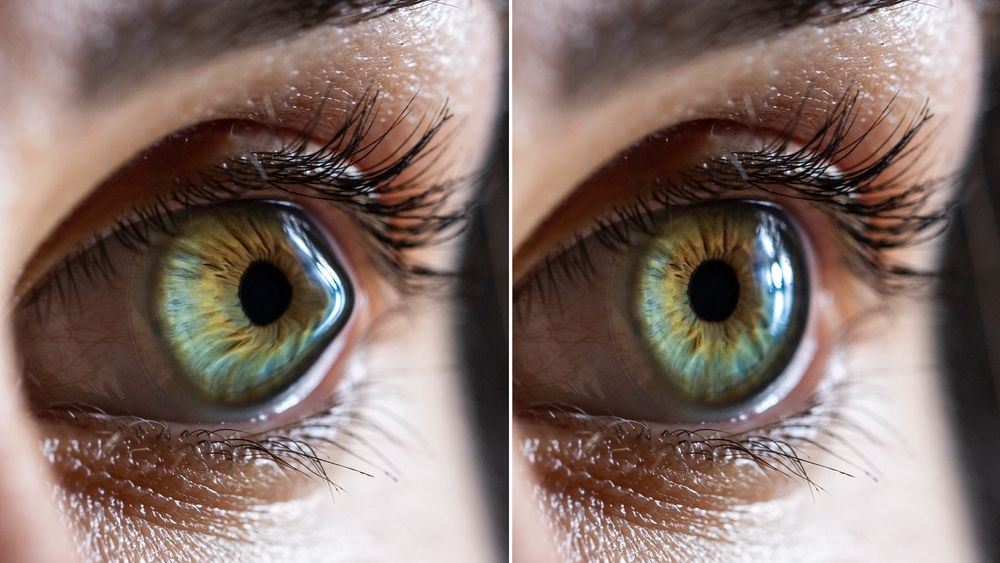
Many people with keratoconus reach a point where glasses stop helping, no matter how often they’re updated. You might notice shadows around letters, difficulty driving at night, or vision that seems to change from day to day. This experience can be frustrating, but it’s also very common - and it’s a sign that a different approach to vision correction is needed.
What Is Keratoconus?
Keratoconus is a progressive eye condition that affects the cornea - the clear, dome-shaped front surface of the eye. Instead of maintaining its normal rounded shape, the cornea gradually thins and bulges outward into a cone-like shape. This irregular shape disrupts how light enters the eye, leading to distorted and fluctuating vision. The condition often begins in the teenage years or early adulthood and can progress over time, though the rate of progression varies from person to person.
Why Glasses Work at First - but Not for Long
In the early stages of keratoconus, vision changes may resemble common nearsightedness or astigmatism. At this point, glasses can sometimes provide acceptable vision correction.
As keratoconus progresses, however, the cornea becomes increasingly irregular. Glasses are designed to correct smooth, predictable refractive errors - but they cannot compensate for an uneven corneal surface. As a result:
• Vision may remain blurry even with a new prescription
• Ghosting, halos, or double vision can persist
• Prescriptions may change frequently
• Visual clarity may vary from day to day
Eventually, glasses simply cannot provide the level of correction needed for functional vision.
Why Regular Contact Lenses Often Fall Short
Standard soft contact lenses sit directly on the cornea and conform to its shape. When the cornea becomes irregular, these lenses move unpredictably and fail to correct distortion effectively. Many patients with keratoconus also experience discomfort or poor lens stability with conventional contacts.
What Helps Instead: Specialty Contact Lenses
For most people with keratoconus, specialty contact lenses are the gold standard for vision correction. These lenses are designed to work with the irregular cornea rather than against it.
Common Specialty Lens Options for Keratoconus
• Rigid Gas Permeable (RGP) Lenses: These lenses create a smooth optical surface over the cornea, allowing light to focus more clearly. While effective, they may take time to adapt to.
• Scleral Lenses: Scleral lenses vault over the cornea entirely and rest on the white part of the eye (the sclera). They are often more comfortable than smaller rigid lenses and can provide exceptional vision for moderate to advanced keratoconus.
• Hybrid Lenses: Hybrid lenses combine a rigid center with a soft outer skirt, offering a balance between clarity and comfort.
A comprehensive fitting process is essential. Specialty lenses are customized based on advanced corneal imaging and your unique visual needs.
Explore Advanced Vision Solutions for Keratoconus at Perspective Eye Care
Glasses often stop working for keratoconus because they cannot correct the irregular shape of the cornea. Fortunately, specialty contact lenses offer a proven, effective solution for clearer, more stable vision. With the right care and customization, many patients with keratoconus can achieve excellent visual outcomes and return to the activities they enjoy.
If you have keratoconus and glasses are no longer giving you the clarity you need, schedule a consultation at Perspective Eye Care to explore specialty contact lens options tailored to your eyes. Visit our office in Spanish Fort, Alabama, or call (251) 301-5650 to book an appointment today.


Quick Links
Contact Info
Phone
Fax
(251) 581-9011
Office Hours
- Monday9:00am - 5:00pm
- Tuesday9:00am - 5:00pm
- Wednesday9:00am - 5:00pm
- Thursday9:00am - 5:00pm
- Friday8:00am - 5:00pm
- SaturdayClosed
- SundayClosed
Please note we are closed 12-1PM for lunch
© 2026 Perspective Eye Care. Accessibility Statement - Privacy Policy - Terms & Conditions - Sitemap
Managed and Designed by:
